I recently attended the Harvard Initiative for Teaching and Learning (HILT) conference on the “The Weight of the Degree: Rigor, Responsibility and the Modern Campus.” ur team has been trying to understand how and if colleges are preparing modern graduates to do “good work” in their futures (see the Good Work Values Alignment project). The overlap with the discussion at the conference struck me. What did I hear?

What does it really mean to prepare students for the world of work?
Too often, conversations about the value of higher education focus on whether graduates get jobs and how much they earn. Our new white paper, Beyond Job Readiness: Findings from the Good Work Value Alignment Study, asks a broader question: How well does postsecondary education prepare people not only to obtain work, but to do good work?
What does it mean to do good work when the consequences may directly affect another person's health, safety, dignity, or life? When we spoke with healthcare students and employers as part of our Good Work Value Alignment Study, participants universally valued expertise: healthcare professionals need deep knowledge and technical competence.

If there is any field where we might expect technical expertise to dominate conversations about career readiness, information technology would seem to be it. Coding languages, technical knowledge, systems, software, and networks all matter. And yet, when we spoke with IT students and employers as part of our Good Work Value Alignment Study, both groups repeatedly returned to the same point: technical knowledge isn't enough.

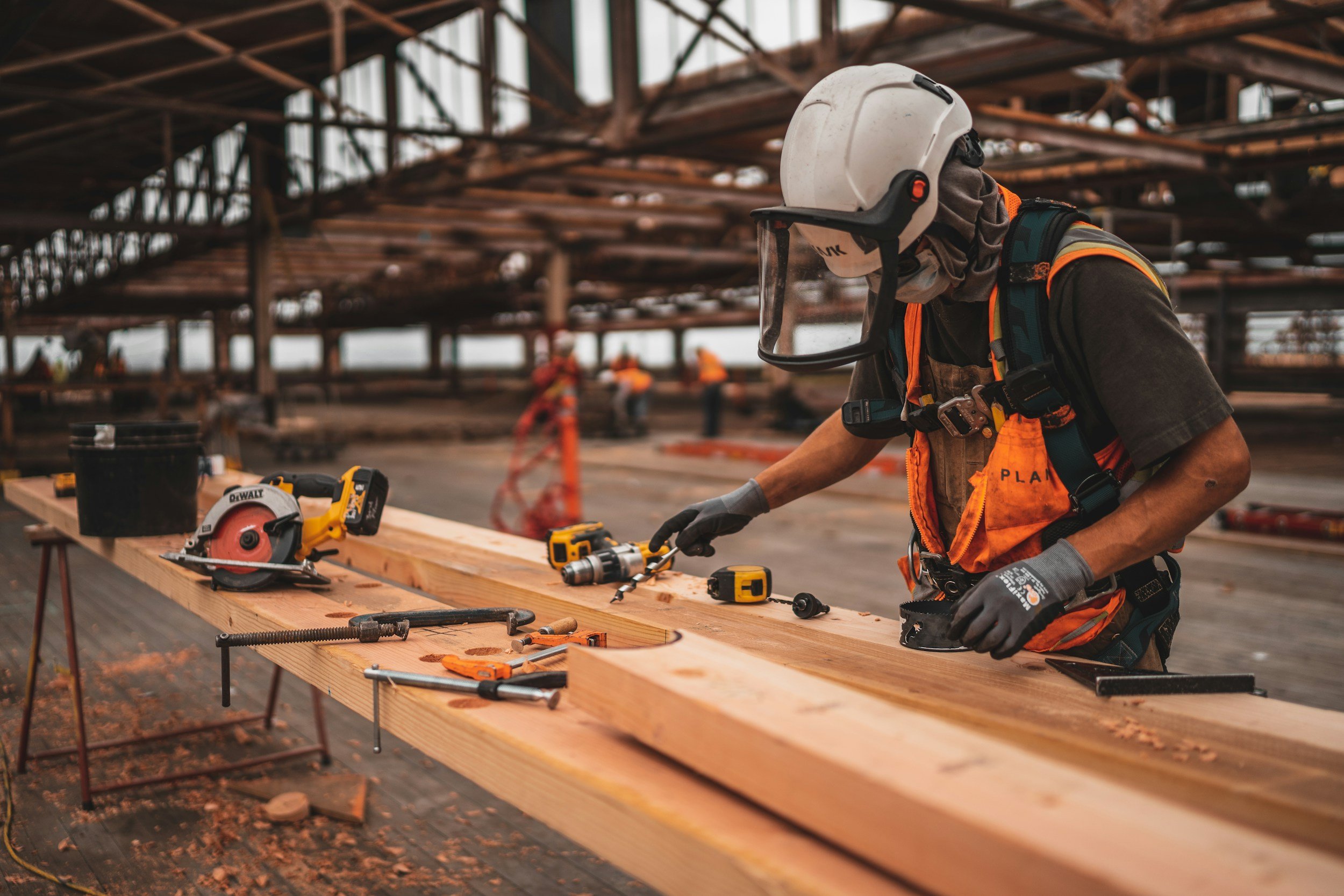
Technical expertise certainly matters. Workers need to understand design, materials, codes, safety, software, and the physical realities of building. But when we spoke with students and professionals in architecture and construction as part of our Good Work Value Alignment Study, they consistently described good work as something broader.